






Unreached people groups > Ethiopia
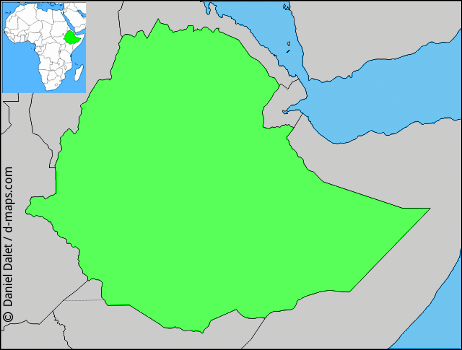
| Ethiopia | |
| Somalis | |
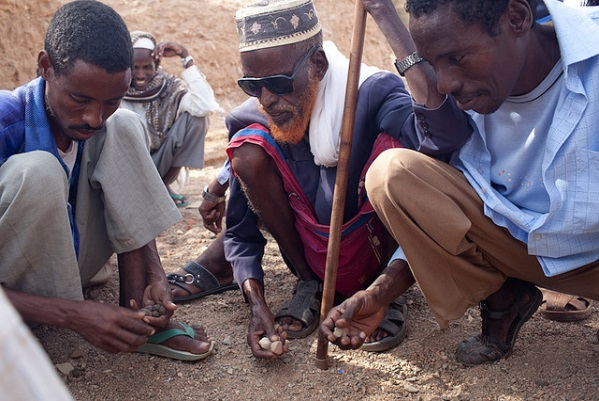
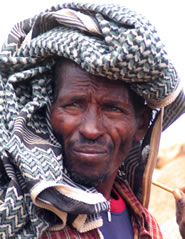
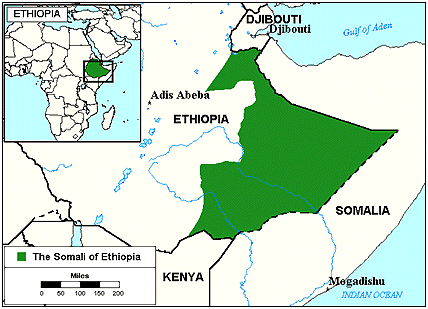
Ten million Somali live scattered across eight countries in the northeastern portion of Africa, commonly called the "Horn of Africa," and an unknown but large number live in parts of the Middle East, North America and Europe. They are one of the most homogenous people groups on the continent of Africa. In Ethiopia, Somalis numbered about 5665 thousands of population.
The Somali share a common language, adhere to a single faith, and share a cultural heritage that is an integral part of their nomadic lifestyle. They have a strong sense of national identity.
There are four major Somali clan groups. The two largest are the Somaal and the Sab. The Somaal are primarily nomadic shepherds. The Sab usually settle in communities and live as farmers or craftsmen.
Somali society is based on the nuclear family. Their families are typically large, usually seven or eight children are considered ideal. Family consists of a husband, wife, and children. A typical family also owns a herd of sheep or goats and a few burden camels. Some may also own a herd of breeding and milking camels. The more camels a man has, the greater his prestige. Having an abundant supply of food is a status symbol among the clans. Each family periodically holds banquets for their relatives and friends. A family's prestige is determined by the frequency of its feasts, the number of people invited, and the quality and quantity of food served.
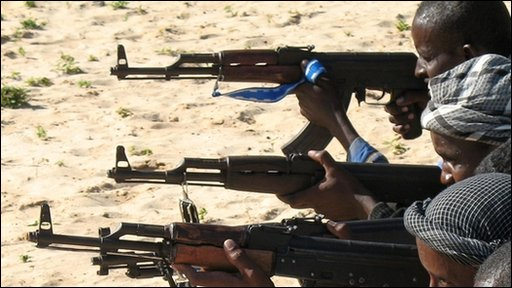
The Somali consider themselves warriors. The men often leave the women in charge of the herds, so that they might train to become more effective fighters. They are a very individualistic people, sharply divided by clans. Fights often occur between the clans, resulting in many deaths. For example, when the civil war took place in Somalia at the end 1990, at the initial stage, the was between the government troops and armed rebels. When the president ousted, the war changed into inter clan fighting. The government structure collapsed and many people were either killed or maimed and others became refuges in the neighbor countries. In the refugee camps there is no adequate social infrastructure.
In Custom, the Somali wear brightly colored cloths draped over their bodies like togas. The men may also wear kilts. Birthdays are not particularly celebrated by Somalis, and it is not uncommon for people to not know the exact date of their birth. Alternatively, the anniversary of family members’ deaths are observed and celebrated.
They converted to Islam around 1550, under the influence of Arab traders that had settled along the cost of present-day Somalia. Gospel resources like Bible, Jesus film, and broadcast in Somali language are available. However, there is only few of them accept the Christ. In Ethiopia, only 0.14% of the Somalis are Christians.
- Pray for the Somali men who were intensely engaged in fighting. Pray for the women who lost their husbands, and children who lost their fathers.
- Pray for the refugees that they can receive proper help from government and social organizations.
- Pray for the few Somali Christians that they can be the blessing and love among their people.
Share: